FXD Plumbing Solutions

Inner West Bathroom Renovation Plumbing Checklist: Hidden Issues in Older Homes

Renovating a bathroom in the Inner West often involves more than selecting tiles and fixtures. Many properties in the area were built decades ago, with plumbing systems that no longer meet modern standards. Without proper planning, hidden issues can lead to delays, additional costs, and compliance risks.

This guide outlines what to consider before starting, helping homeowners and builders approach bathroom renovation plumbing in the Inner West with clarity and confidence.

Why Inner West Bathrooms Are Tricky 

Older Inner West homes frequently contain ageing pipework, limited access points, and outdated materials such as galvanised steel or clay drainage. These factors make even simple upgrades more complex than expected.

In many cases, pipe locations are fixed within tight structural spaces, making relocation difficult without additional work. Engaging a renovation plumber in Lilyfield or nearby suburbs early helps identify these constraints before design decisions are finalised.

What to Check Before You Lock in a Bathroom Layout

Before confirming a layout, it is essential to understand where existing pipes, drains, and vents are located. Moving key fixtures such as toilets or showers can significantly increase plumbing costs and complexity.

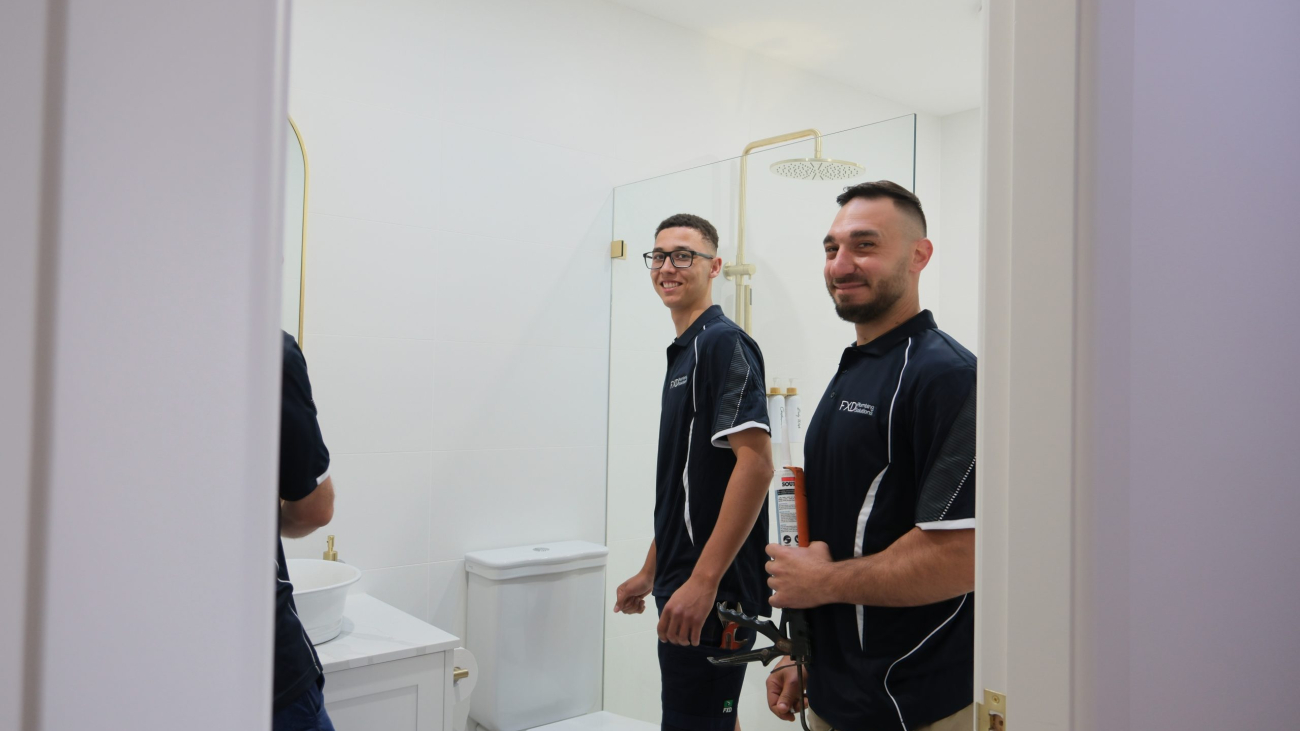
A qualified plumber for bathroom reno in Sydney can review plans and advise on what is practical, helping avoid redesigns during construction.

For renovation requirements and compliance guidelines, refer to NSW Fair Trading – building and renovating

Waterproofing, Drainage and Ventilation Essentials

Waterproofing and drainage are critical to long-term performance. Incorrect falls, poor sealing, or inadequate ventilation can lead to water damage, mould, and structural issues.

Ensuring proper floor grading and drainage alignment is a key part of any bathroom plumbing checklist, particularly in older homes where levels may be uneven.

For layout inspiration and renovation ideas, see Houzz Australia

Upgrading Hot and Cold Water Lines for Modern Fixtures

Modern bathrooms often include larger showers, dual basins, and high-flow fixtures that require upgraded pipework. Older systems may not deliver sufficient pressure or consistent temperature.

Upgrading supply lines ensures reliable performance and compatibility with new fittings. This may involve services such as shower installation and toilet installation.

Common Plumbing Surprises During Demolition

Demolition frequently exposes hidden issues that are not visible during initial inspections. These can include corroded pipes, non-compliant connections, or previous repairs that do not meet current standards.

Such findings are common in Inner West homes and should be factored into renovation timelines and budgets. Planning for contingencies helps reduce disruption once work begins.

How to Sequence Plumber, Tiler and Other Trades

Correct sequencing of trades is essential for a smooth renovation process. Plumbing rough-in work must be completed before waterproofing, followed by tiling, and finally fixture installation.

Poor coordination can result in delays or rework, particularly when access is limited. Builders and owner-builders should ensure all trades are aligned with the project timeline.

Budget Ranges for Typical Bathroom Plumbing Work

The cost of bathroom plumbing varies depending on the scope of work. Minor upgrades may involve limited changes, while full renovations with layout modifications require more extensive labour and materials.

Understanding potential cost ranges helps homeowners make informed decisions and prioritise upgrades where necessary.

For independent consumer insights, refer to CHOICE Australia.

How FXD Supports Renovators

FXD works with homeowners, builders, and developers across the Inner West to deliver structured and compliant plumbing solutions. Services include plan reviews, fixed-price quoting, and coordination with other trades throughout the renovation process.

Local service coverage is available here: Inner West plumbing services

For broader support, see general plumbing services.

Plan Your Bathroom Renovation Plumbing with Confidence

A well-planned approach reduces risk, prevents delays, and ensures your renovation meets current standards.

Send us your bathroom plans for a plumbing review and fixed-price quote.
FXD Plumbing Solutions

Stormwater Upgrades in the Inner West: How Plumbers Stop Repeat Flooding

Many Inner West properties are built on older drainage systems that were not designed for current rainfall patterns or increased surface runoff. Poor grading, undersized pipes, and ageing infrastructure can lead to recurring flooding issues, particularly in low-lying areas.

Homeowners searching for a stormwater plumber in the Inner West often find that repeated flooding is not caused by a single issue, but a combination of drainage limitations and property layout.

Signs Your Stormwater System Isn’t Coping

Recurring pooling water, slow drainage after rain, overflowing pits, and water entering garages or subfloors are all indicators that your system is underperforming.

Ignoring these signs can lead to long-term structural damage. Early assessment by a stormwater plumber in Lilyfield or nearby Inner West suburbs can prevent escalation and reduce repair costs.

Stormwater Solutions

Effective stormwater upgrades in Sydney often involve a combination of solutions rather than a single fix. These may include installing additional pits and grates, upgrading pipe sizes, or integrating sump pumps for low-lying areas.

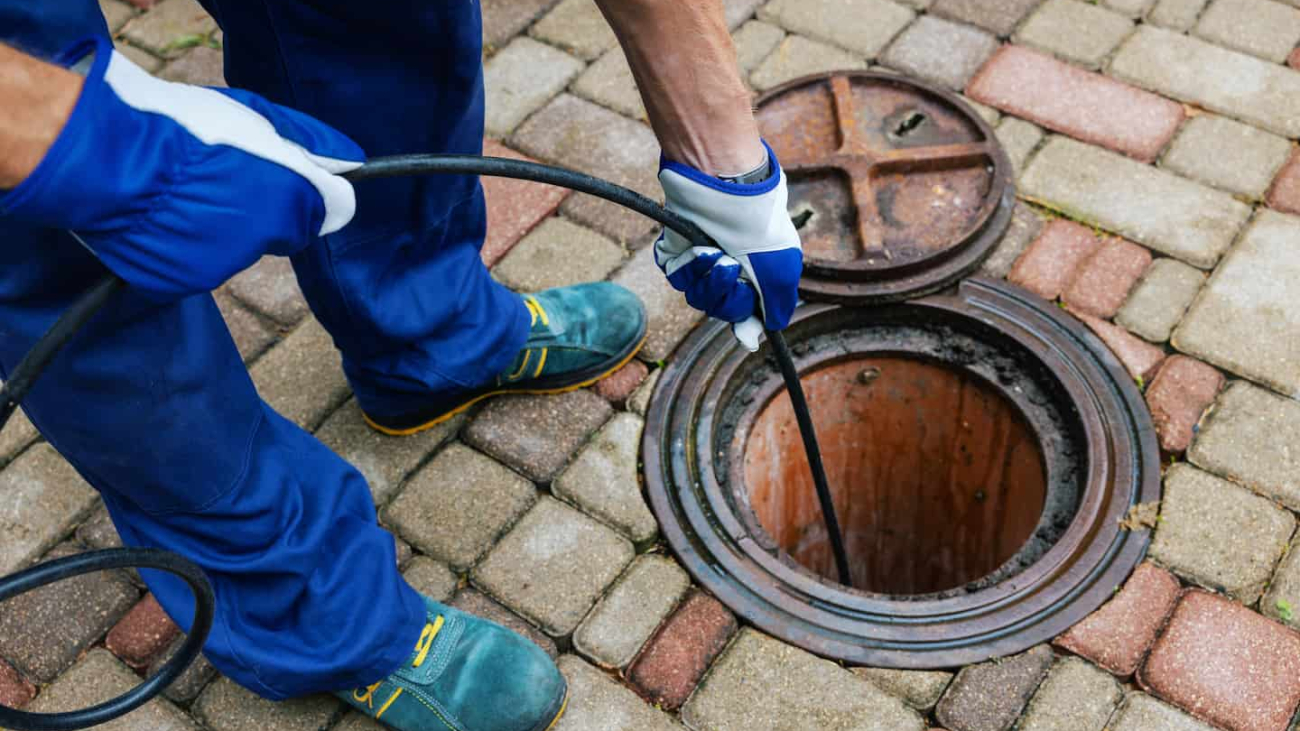
Drain clearing is often the first step before upgrades are recommended. Learn more about drain clearing services,

When You Need Council Approval or Engineer Input

Certain stormwater upgrades require council approval, especially when altering discharge points or connecting to council infrastructure.

Guidelines and requirements can vary depending on the location. For Inner West properties, refer to Inner West Council and broader infrastructure requirements from Sydney Water.

Before and After FXD Stormwater Upgrades

Real-world upgrades often involve resolving long-standing flooding issues through targeted improvements. This may include redirecting water flow, upgrading drainage capacity, or installing new collection systems.

Understanding how systems fail is important before implementing solutions. See the importance of a flowing stormwater system.

Approximate Cost Ranges for Common Upgrades

Costs vary depending on site conditions, access, and the complexity of the solution. Simple drainage improvements may be relatively low cost, while full system upgrades involving excavation and pipe replacement require a larger investment.

Understanding cost ranges helps homeowners compare short-term fixes against long-term solutions.

Maintenance to Protect Your Investment

Regular maintenance is essential to ensure stormwater systems continue to function effectively. Clearing debris, inspecting pits, and checking flow capacity after heavy rainfall can prevent recurring issues.

Preventive guidance can be found in storm preparation tips.

How FXD Assesses Stormwater Problems 

A structured assessment typically includes site inspection, identification of flow issues, and recommendations based on long-term performance rather than temporary fixes.

Local expertise is important when dealing with Inner West drainage conditions. Service coverage is outlined here:
Inner West plumbing services.

Get a Long-Term Solution for Inner West Stormwater Issues

If you are dealing with recurring flooding, addressing the root cause is more effective than repeated short-term fixes.

Book a site assessment with FXD to design and quote a long-term stormwater solution.

FXD Plumbing Solutions

Inner West Gas Fitting And Compliance: Certificates, Safety Checks And Common Faults

Gas systems are tightly regulated for safety reasons. Whether you are renovating, selling, leasing, or upgrading appliances, using a qualified professional for gas fitting in Inner West Sydney is essential.

Understanding when you need a licensed gas fitter, what compliance certificates involve, and how safety checks work can help prevent costly errors and reduce risk.

When You Need A Licensed Gas Fitter (Not Just Any Plumber)

Gas work must be completed by a licensed professional authorised to carry out gas fitting. Not all plumbers are licensed gas fitters, and using the wrong contractor can result in safety hazards or compliance breaches.

If you require a qualified gas fitter in the Inner West, ensure they are licensed to issue compliance documentation and complete regulated installations.

For regulated standards and licensing requirements, refer to NSW Gas Standards and Notes.

Professional service details are available at gas fitter Inner West services.

Gas Compliance Certificates For Renovations And Property Sales

A gas compliance certificate in Sydney confirms that gas installations meet regulatory standards. These certificates are often required during renovations, major appliance replacements, and sometimes during property sales.

Certificates protect homeowners and landlords by documenting that installations comply with current standards.

Information on legal gas fitting requirements can be found at NSW Fair Trading – gas fitting requirements.

Common Gas Issues In Older Inner West Homes

Many older Inner West properties contain ageing gas lines, outdated appliances, or legacy installations that may not meet modern safety expectations.

Common issues include:

  • Corroded gas pipework
  • Poor ventilation around heaters
  • Ageing hot water systems
  • Inadequate pressure regulation

Where gas leaks are suspected, immediate professional attention is required. Learn more about gas leak warning signs and faults.

How Often Should You Book A Gas Safety Check?

A routine gas safety check in the Inner West is recommended periodically, especially in rental properties or homes with older systems. While not always mandated for private homes, landlords have legal obligations to maintain safe installations.

Regular inspections can detect leaks, ventilation problems, and compliance issues before they escalate.

Energy market regulatory information is available from the Australian Energy Market Commission (AEMC).

Signs Of A Gas Leak And What To Do Immediately

Gas leaks can present as a sulphur-like smell, hissing sounds near pipework, or unexplained appliance malfunction.

If a leak is suspected:

  1. Turn off the gas supply if safe to do so
  2. Avoid electrical switches
  3. Ventilate the area
  4. Contact a licensed professional immediately

Emergency services and licensed professionals should handle all confirmed leaks.

Gas Appliance Upgrades (Heaters, Cooktops, Hot Water)

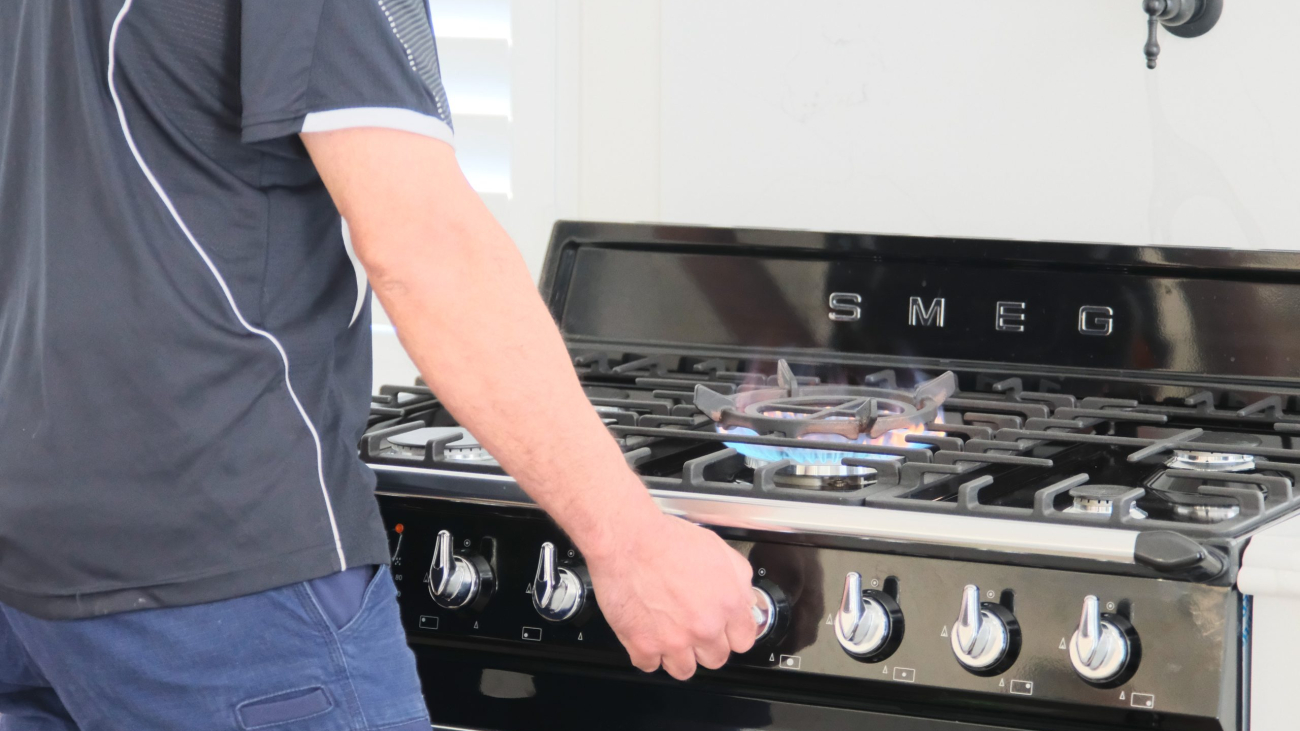
Upgrading gas appliances can improve safety and energy efficiency. Installations must be carried out by a licensed gas fitter to ensure compliance and correct pressure regulation.

Services for appliance installations and regulated gas work are outlined at gas fitting and gas installation services.

How FXD Prices Gas Fitting Jobs (Fixed Quotes, No Call-Out)

FXD provides fixed-price quotes for gas fitting jobs, including installation, repairs, and compliance inspections. Clear quoting helps homeowners and property managers understand costs before work begins.

Service coverage details are available here:
gas plumber services

FAQs Around Landlord Responsibilities For Gas Safety

Are landlords required to conduct gas safety checks?

Landlords must ensure gas installations are safe and properly maintained.

Is a gas compliance certificate mandatory for new installations?

Yes. Licensed gas fitters must issue compliance documentation for regulated work.

How often should rental properties be inspected?

Regular inspections are recommended, particularly for older systems.

Can a tenant arrange their own gas repairs?

Only in emergencies and typically with landlord notification.

Who is responsible for gas leaks in strata properties?

Responsibility depends on whether the pipework is common property or within the lot.

Need A Licensed Gas Fitter In The Inner West?

For safety inspections, compliance certification, or regulated installations:

Book a licensed FXD gas fitter for a compliance check or fixed-price installation quote.

blocked-drains-strata

NSW Drainage Responsibility Guide: Who Pays When Drains Block In Rentals And Strata?

Drainage disputes are one of the most common causes of conflict in rental and strata properties across NSW. When a blockage occurs, the immediate question is often: who is responsible for blocked drains in NSW?

Understanding the difference between tenant misuse, landlord obligations, and strata plumbing responsibilities can prevent delays, reduce disputes, and ensure repairs are handled correctly.

Why Drainage Disputes Happen So Often

Blocked drains are disruptive, urgent, and sometimes costly. In rental properties and strata schemes, uncertainty around responsibility can slow down decision-making.

Disputes commonly arise when:

  • The cause of the blockage is unclear
  • There is shared infrastructure
  • Tenants and landlords disagree about misuse
  • Strata and lot owners interpret responsibilities differently

Clear documentation and knowledge of NSW rules are essential in resolving landlord-tenant blocked drains disputes efficiently.

Key NSW Rules Around Plumbing Responsibilities (Landlord vs Tenant)

In general, landlords are responsible for maintaining plumbing infrastructure in a safe and functional condition. Tenants may be responsible if damage is caused by misuse or negligence.

NSW Fair Trading provides guidance on repairs and maintenance obligations in rental properties:
NSW Fair Trading – repairs, maintenance and damage

For blocked-drain rental property disputes, determining the cause is critical. A professional inspection often clarifies whether the issue is structural or misuse-related.

How Strata Schemes Handle Common Property Drains

In strata properties, responsibility depends on whether the drain is classified as common property. Generally, pipes servicing multiple lots or located outside lot boundaries fall under strata responsibility.

Official guidance on strata management and obligations is available from the NSW Government – strata housing information.

Understanding strata plumbing responsibilities is essential before authorising repair work.

Examples – Tree Roots, Wipes, Grease, Old Pipes

Different causes often determine who pays:

  • Tree roots – typically a structural or common property issue
  • Flushable wipes or foreign objects – often considered tenant misuse
  • Grease buildup – may be gradual wear or usage-related
  • Collapsed or corroded pipes – usually landlord or strata responsibility

More information about common blockage causes can be found at common blocked drain problems.

What Insurers Usually Look For

Insurance providers typically assess whether the damage was sudden and accidental or due to gradual deterioration. They may also request evidence showing maintenance history and the cause of failure.

Sydney Water provides information on wastewater blockages and infrastructure responsibility at Sydney Water – wastewater blockages.

Professional reporting and CCTV evidence often strengthen claims.

How To Document Plumbing Issues For Smooth Claims

To reduce disputes and support insurance or strata claims:

  • Arrange a professional CCTV inspection
  • Obtain a written report outlining the cause
  • Capture photos before and after repairs
  • Keep communication records between tenants and owners

Comprehensive drain services and inspection options are outlined at blocked drain services.

For Inner West properties specifically, see blocked drains in the Inner West.

How FXD Works With Strata And Property Managers

FXD works with strata committees, landlords, and property managers to provide documented inspections, written quotes, and clear scope-of-work reports. This approach reduces ambiguity around responsibility and speeds up approval processes.

For agencies managing multiple properties, operational guidance is outlined here: Inner West property manager plumbing playbook

Sample Communication Templates For Tenants And Owners

Clear communication reduces escalation. A tenant notification template might include:

  • Confirmation of the reported issue
  • Next steps (inspection scheduled)
  • Clarification that responsibility depends on findings
  • Expected timeframes

Similarly, landlords should receive documented findings before approval of major works.

FAQs

Is the landlord always responsible for blocked drains in NSW?

Not always. If misuse by a tenant is proven, the tenant may be liable.

Are tree root blockages the strata’s responsibility?

If located in common property pipes, the strata is typically responsible.

What if the cause cannot be determined?

A professional CCTV inspection may be required to identify liability.

Can tenants arrange their own plumber?

Only in emergencies and usually with landlord or agency notification.

Does insurance cover drain repairs?

Coverage depends on the policy and cause of damage.

Need Clear Evidence For A Drainage Dispute?

If responsibility is unclear or you require documentation for insurance or strata approval:

Need a report for an insurance or strata claim? Book a CCTV inspection and written quote with FXD.