

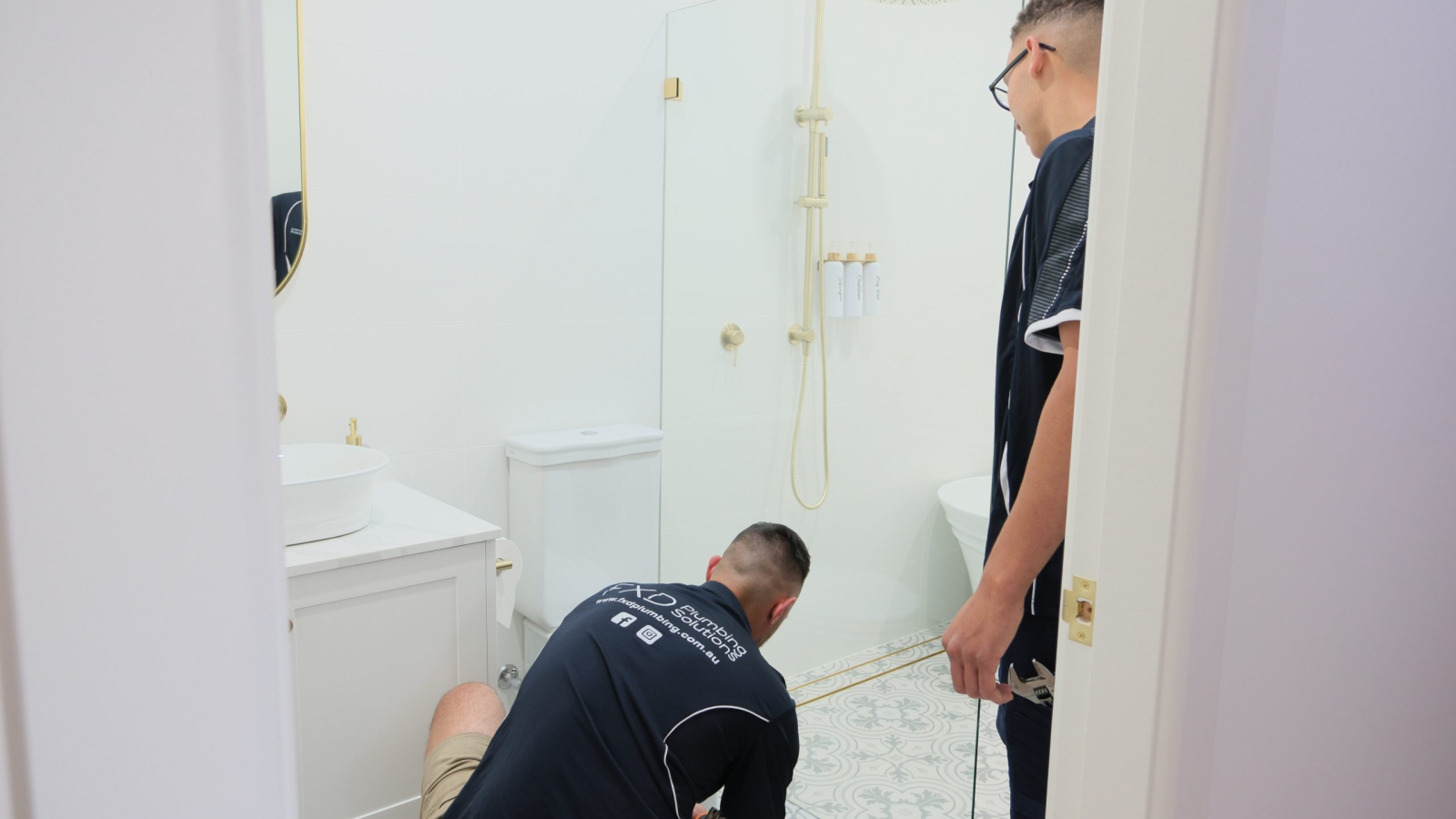
The Inner West is full of character homes, but many of them are also running on original pipework that has had fifty years or more to wear out. A hidden leak can sit behind a wall or under a floor for months before it becomes obvious, quietly pushing up your water bill and causing damage you cannot see. Here is what to look out for, and when it is time to call a licensed plumber.
High Water Bills
If your water bill has crept up without any real change in how much water your household uses, a hidden leak is one of the most common causes. According to Sydney Water, even a small, steady leak can waste a large amount of water over a year without ever showing up as a puddle. Comparing a few recent bills side by side is often the first clue that something is wrong.
How To Read Your Water Bill
Most water bills show your usage in kilolitres for the billing period, along with a comparison to your previous bill or the same period last year. A steady upward trend, rather than a one-off spike from a busy quarter with guests staying or a garden being watered more than usual, is the pattern worth paying attention to. If your household routine has not changed, but the numbers keep climbing, it is a reasonable prompt to get in touch with a licensed plumber and have it checked properly.
Damp Walls and Ceilings
Water travelling through a wall cavity or ceiling space often leaves behind soft, discoloured patches long before any visible dripping appears. Look for paint that is bubbling or peeling, plaster that feels soft to the touch, or a musty smell that will not go away, no matter how much you air the room out.
Other Warning Signs Inside The Home
Beyond damp patches, keep an eye out for skirting boards that have started to warp or lift, timber flooring that feels soft or springy underfoot in one particular spot, or a persistent cool, damp feeling in one room compared to the rest of the house. A leaking tap that has been dripping for a while is also worth fixing sooner rather than later, since it points to wear elsewhere in the same pipework.
Wet Patches Near Old Pipes
Older Inner West homes frequently still have copper or galvanised pipe running under the house or through original brick walls. Wet patches on skirting boards, damp patches near where a pipe enters a wall, or unexplained mould near old plumbing runs are all worth investigating, particularly in homes that have not had a plumbing upgrade in decades. If the issue looks sudden rather than gradual, it may point to a burst pipe rather than a slow, hidden leak.
Why Older Inner West Homes Are More At Risk
Many terraces and semis across Newtown, Petersham, Marrickville, Leichhardt and Balmain were plumbed decades before modern materials and standards existed. Galvanised pipe corrodes from the inside out over time, and joints that have shifted slightly with the building’s movement are common failure points.
How to Run a Meter Leak Test
A simple way to check for a leak yourself is to turn off every tap and appliance that uses water, then check your water meter and note the reading. Wait an hour or two without using any water, then check the meter again. If the reading has moved, water is escaping somewhere on your property, and it is worth booking a professional leak detection visit to find the exact source.
What To Do If The Meter Moves
If the meter has moved but you cannot see any obvious sign of water inside the house, the leak is most likely underground between the meter and the house, or hidden within a wall or subfloor cavity. This is exactly the situation acoustic and thermal leak detection are designed for, since it lets a plumber narrow down the location without digging up the entire yard or opening every wall on a guess.
What Sydney Water Covers
It is worth knowing where your responsibility ends, and Sydney Water’s begins. Generally, you are responsible for the pipework on your property, while Sydney Water maintains the mains and the meter itself. If you suspect the leak might be on the street side of your meter, you can report a fault directly to Sydney Water rather than booking a private plumber.
Responsibility for Strata and Rental Properties
In a strata building, responsibility can depend on whether the affected pipe is common property or part of an individual lot, which is why a written report from a licensed plumber is so useful when raising the issue with an owners corporation. For rental properties, tenants should report any suspected leak to the landlord or property manager promptly, and property managers can contact our team directly to arrange an inspection.
When to Call a Licensed Plumber
If your meter test confirms a leak, or you are noticing damp patches, high bills or a musty smell without an obvious cause, it is time to call a licensed plumber rather than guessing. Under NSW plumbing licensing rules, only licensed tradespeople can carry out most plumbing work, which protects you if anything goes wrong down the track.
Preventing Hidden Leaks in Older Homes
There is no way to completely leak-proof a heritage-era home, but a few habits reduce the risk of a small problem turning into a big one. Check your water meter occasionally when the house is empty and no water is being used. Keep an eye on quarterly bills rather than only glancing at the total, and take note of any musty smell or soft patch on a wall, even if it seems minor. If a leak is confirmed, our leak repair Sydney team can quote a fixed price for the fix, and it is also worth having ageing pipework assessed during any renovation, while walls are already open.
Book A Leak Detection Visit In The Inner West
If any of these signs sound familiar, do not wait for a small leak to become a big repair bill. Contact FXD Plumbing to book a leak detection visit, or request a fixed price quote for leak repair anywhere in the Inner West.