FXD Plumbing Solutions

Inner West Property Manager Plumbing Playbook: Response Times, SLAs And Questions To Ask

For property managers and strata professionals, plumbing issues are one of the most frequent causes of tenant dissatisfaction and landlord complaints. Reliable property management plumbing in the Inner West is not just about fixing problems quickly, but about systems, communication, and accountability.

This playbook outlines how plumbing suppliers impact rent rolls, how to set expectations around response times, and what processes reduce repeat callouts and risk across Inner West portfolios.

Why Plumbing Suppliers Make Or Break Your Rent Roll

Plumbing suppliers play a direct role in tenant retention, landlord confidence, and operational efficiency. Delays, unclear pricing, or poor communication often lead to escalations that consume property managers’ time.

Engaging a dependable strata plumber in the Inner West with clear processes allows agencies to resolve issues faster and demonstrate proactive management to landlords. Consistency across properties is often more valuable than the cheapest quote.

Industry best practices for agency operations are outlined by REINSW – Real Estate Institute of NSW.

Setting Response Time Expectations For Emergencies Vs Routine Jobs

Clear response-time benchmarks help prevent misunderstandings with tenants and landlords. Emergency issues such as burst pipes or sewer overflows require rapid attendance, while routine maintenance can be scheduled within agreed timeframes.

For urgent matters, property managers often rely on an emergency plumber for property managers who can attend after hours and provide immediate risk mitigation.

Typical emergency response standards are outlined under 24-hour emergency plumbing services.

What To Include In A Plumbing SLA (Service Level Agreement)

A well-defined SLA should outline response times, pricing structure, communication standards, and reporting requirements. It should also clarify how emergencies, after-hours work, and approvals are handled.

For property management plumbing in the Inner West, SLAs help agencies maintain consistency across portfolios and reduce disputes with suppliers.

Guidance on rental property obligations is available from NSW Fair Trading – renting and property management.

Reporting & Photos – Keeping Landlords In The Loop

Clear reporting builds trust with landlords and reduces follow-up questions. Plumbing reports should include photos, a description of the issue, work completed, and any recommended future actions.

This level of documentation is particularly important for strata properties, where accountability and shared responsibility must be clearly demonstrated.

Strata governance resources are available at the Strata Community Association.

How To Reduce Repeat Callouts And Complaints

Repeated plumbing issues often indicate underlying problems rather than isolated faults. Regular inspections, preventative maintenance, and early intervention reduce tenant frustration and long-term costs.

A structured plumbing maintenance plan in the Inner West can significantly reduce emergency callouts and improve asset longevity.

General service scope examples can be found under general plumbing services.

Example Plumbing Maintenance Schedule For Apartment Blocks

Apartment buildings benefit from scheduled maintenance covering common areas, shared drainage, and high-use fixtures. Typical schedules include annual inspections, periodic drain cleaning, and proactive replacement of ageing components.

Maintenance planning is especially important for older Inner West buildings with original pipework and shared systems.

Why Fixed Pricing And Lifetime Labour Guarantees Reduce Risk

Fixed pricing reduces approval delays and eliminates billing disputes. Lifetime labour guarantees further reduce risk by ensuring that workmanship issues do not result in repeat costs for landlords or agencies.

For property managers, predictable pricing supports budgeting and improves landlord confidence in supplier recommendations.

How FXD Works With Inner West Agencies (Process Overview)

FXD supports Inner West agencies with structured processes designed for property management workflows. This includes fixed pricing, documented reporting, clear communication, and scalable service across multiple properties.

Service coverage and local capability are outlined here: Inner West plumbing services.

Frequently Asked Questions

What should tenants do in a plumbing emergency?

Clear instructions reduce damage and response time.

Who should tenants contact first?

Tenants should follow agency protocols before arranging repairs.

What information should tenants provide?

Photos, access details, and a description of the issue help speed up resolution.

When should tenants expect updates?

Setting expectations improves satisfaction and reduces follow-ups.

Set Up A Plumbing Partner For Your Inner West Portfolio

If you manage properties across the Inner West and want consistency, accountability, and reduced risk:

Book a quick strategy call to set up an FXD plumbing SLA for your portfolio.

FXD Plumbing Solutions

Inner West Hot Water Repairs: Repair Or Replace? A Practical Guide For Sydney Homes

Unreliable hot water is one of the most disruptive household issues, particularly in older Inner West properties where systems are often near the end of their lifespan. When your hot water system is not working in Sydney, the key question is whether a repair will restore reliability or if replacement is the more cost-effective long-term option.

This guide explains how to assess system condition, compare repair versus replacement costs, and understand what Inner West homeowners and landlords should expect when arranging professional hot water services.

Signs Your Hot Water System Is Failing

Early warning signs are often overlooked until the system stops working completely. Common indicators include inconsistent water temperature, reduced pressure, discoloured water, unusual noises from the unit, or frequent system resets.

For many Inner West homes, these symptoms point to internal component failure rather than a single minor fault. Addressing problems early can prevent unexpected outages and water damage.

For professional assessment and local support, see a hot water plumber in the Inner West.

How Long Do Gas And Electric Systems Usually Last?

Most electric hot water systems last between 8–12 years, while gas systems may last slightly longer, depending on usage, water quality, and maintenance. Inner West properties often experience shorter system lifespans due to older pipework and higher mineral content in water.

System longevity and efficiency standards are outlined by the Australian Government at energy.gov.au.

When A Simple Repair Is Enough

A repair may be sufficient when the issue is isolated, such as a faulty thermostat, heating element, or pressure relief valve. If the tank is structurally sound and the system is within its expected lifespan, repair is often the most economical option.

Professional diagnosis helps determine whether hot water system repair vs replace is the better choice, particularly for landlords managing compliance and tenant expectations.

General repair services are outlined here: hot water plumber services.

When Replacement Is Smarter (And Cheaper Long Term)

Replacement is usually recommended when tanks are corroded, leaking, or repeatedly failing. Older systems also tend to be less energy efficient, leading to higher running costs over time.

Choosing the right replacement system depends on property type, household size, and energy preferences. Sydney Water provides guidance on system suitability and installation requirements at sydneywater.com.au.

Approximate Costs For Common Repairs Vs New Systems

Repair costs vary depending on the component involved, while replacement costs depend on system type, capacity, and installation complexity. While repairs may seem cheaper initially, repeated call-outs can exceed the cost of a new system.

Independent comparisons of system costs and performance are available from CHOICE hot water system buying guides.

How FXD Quotes Hot Water Jobs (Fixed Pricing, Brands We Trust)

FXD provides fixed-price quotes for hot water repairs in the Inner West, covering inspection, diagnosis, labour, and parts where applicable. Quotes are provided before work begins, allowing homeowners and landlords to make informed decisions.

FXD also works with established system brands and installs units compliant with Australian standards. Service details are outlined here: hot water system installation and repairs.

What To Expect On The Day Of Installation

On installation day, the water supply is isolated, the old system is safely removed, and the new unit is installed and tested. Most replacements are completed within a single visit, though access and compliance requirements can affect timing.

Clear communication before installation helps minimise downtime and ensures the correct system is installed for the property.

Hot Water Options For Apartments vs Freestanding Homes

Apartments often have space, ventilation, and strata restrictions that limit system choices. Freestanding homes generally have more flexibility, including higher-capacity or alternative systems.

A comparison of system types can help property owners decide what best suits their needs: instant hot water vs electric hot water.

Frequently Asked Questions

Do new hot water systems come with warranties?

Yes. Most systems include manufacturer warranties covering tanks and components.

Will a newer system reduce energy costs?

In many cases, yes. Modern systems are designed to meet higher efficiency standards.

Are repairs covered under warranty?

This depends on system age, warranty terms, and the component affected.

Do landlords need to meet minimum efficiency standards?

While not mandatory in all cases, energy efficiency is increasingly expected in rental properties.

Request A Professional Hot Water Assessment In The Inner West

If your hot water is unreliable or your system is nearing the end of its lifespan, professional advice can prevent unnecessary expense.

Request a same-day assessment and fixed-price quote for hot water repairs or replacement.

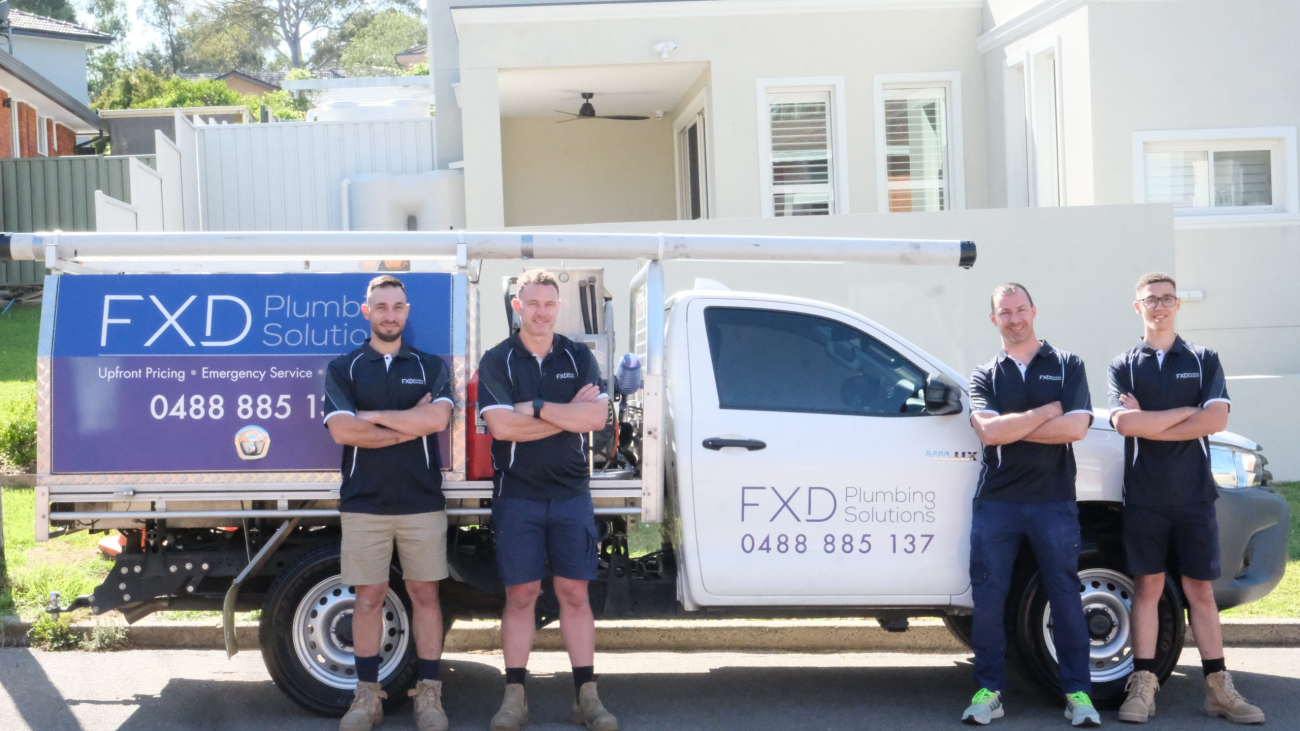
FXD Truck

Blocked Drains In The Inner West: Cost, Responsibility And When Insurance Helps

Blocked drains are a recurring issue across many Inner West properties, particularly older homes, apartments, and mixed-use buildings. Understanding the causes, costs, and legal responsibilities can help owners and property managers respond effectively and avoid disputes.

This guide explains common reasons for blocked drains in the Inner West, who is responsible for repairs, how much clearing typically costs in Sydney, and when insurance or external authorities may become involved.

Common Causes Of Blocked Drains In Inner West Properties

Many Inner West homes feature ageing pipework, clay pipes, or shared drainage systems that are more susceptible to blockages. Tree root intrusion, grease buildup, foreign objects, and collapsed pipes are among the most common causes.

Repeated blockages often indicate underlying issues rather than isolated incidents. A blocked drain plumber in the Inner West will typically investigate beyond the immediate blockage to determine whether structural damage or long-term buildup is present.

For a detailed breakdown of blockage types, see common plumbing problems related to blocked drains.

Who Pays – Tenant, Landlord Or Strata?

One of the most common questions is who pays for blocked drains in NSW. Responsibility depends on the cause, property type, and tenancy agreement.

Generally, tenants may be responsible for blockages caused by misuse, while landlords or strata corporations are responsible for issues related to ageing infrastructure or shared services. Clear documentation and professional reports often help resolve disputes.

NSW Fair Trading provides guidance on repair responsibilities for rental and strata properties: NSW Fair Trading – housing and property responsibilities.

When Stormwater Or Sewer Issues Become A Council Problem

Not all drainage problems fall under private responsibility. In some cases, stormwater or sewer issues extend beyond the property boundary and into shared or public infrastructure.

If the blockage affects sewer mains or water supply infrastructure, Sydney Water may need to assess and address the issue. Understanding where responsibility changes can prevent unnecessary costs and delays.

More information is available from Sydney Water – plumbing and drainage responsibilities.

Typical Costs For Clearing Blocked Drains In Sydney

The blocked drain cost in Sydney varies depending on severity, access, and the method required. Simple blockages may be resolved quickly, while deeper or recurring issues can involve inspections and advanced clearing techniques.

Costs may increase where multiple access points are required or when structural damage is discovered. Knowing the likely cost range helps property managers budget appropriately and compare service options.

General pricing information can be found at blocked drain services.

Jet Blasting Vs Basic Clearing – What’s Worth It?

Basic clearing methods may provide short-term relief, but recurring blockages often require more thorough solutions. Jet blasting uses high-pressure water to fully clean pipe walls, removing grease, scale, and debris.

While jet blasting blocked drains costs more upfront, it can reduce repeat call-outs and long-term damage. This approach is often recommended for Inner West properties with older drainage systems.

Learn more about professional drain clearing options here: blocked drain services in the Inner West.

When Home Insurance May Cover Drain Damage

Insurance coverage for drain damage depends on the cause and policy terms. Sudden, accidental damage, such as pipe collapse, may be covered, while gradual wear and tear often is not.

Property owners should document issues promptly and seek professional reports when damage is suspected. The Insurance Council of Australia provides general guidance on what policies may include:  Insurance Council of Australia.

How FXD Quotes Blocked Drain Jobs (And What’s Included)

When professional plumbing services are required, clear quoting is essential. FXD provides fixed-price quotes for blocked drain work, typically including inspection, diagnosis, and recommended solutions.

This approach helps Inner West property owners and strata managers understand the scope of work before approval, particularly for recurring or complex drainage issues.

Local service coverage is outlined here: Sydney Inner West plumbing services.

Preventative Maintenance Plan For Inner West Properties

Preventive maintenance is one of the most effective ways to reduce emergency call-outs and long-term repair costs. Regular inspections, proactive cleaning, and early identification of issues can significantly extend the life of drainage systems.

Maintenance plans are particularly valuable for strata buildings, rental properties, and homes surrounded by mature trees common throughout the Inner West.

FAQs

How often should drains be inspected in strata buildings?

Many strata properties benefit from annual inspections, especially where blockages are frequent.

Is CCTV inspection necessary for every blockage?

Not always, but it is recommended when blockages recur or the cause is unclear.

Can tenants be charged for blocked drains?

Only if misuse can be clearly demonstrated.

Are jet blasting costs recoverable through strata levies?

This depends on the strata plan and approval process.

Does insurance cover all drain damage?

Coverage varies by policy and cause of damage.

Need Clarity On Blocked Drains In The Inner West?

If you’re managing repeat drainage issues or need clear answers on responsibility and repair options:

Book a fixed-price CCTV drain inspection with FXD Plumbing Solutions and get a written plan for repairs.

CCTV Drains FXD Plumbing Service

Inner West Emergency Plumber: What To Expect And How Fixed Pricing Protects You

Plumbing emergencies rarely happen at convenient times. Burst pipes, overflowing drains, gas issues, and water leaks can escalate quickly, especially in older Inner West homes and strata-managed buildings. For many residents, the challenge isn’t just finding an Inner West emergency plumber, but understanding what should happen once the call is made and how pricing works under pressure.

This guide explains when an emergency plumber in Inner West, Sydney, is genuinely required, what a 24-hour call-out usually involves, and how fixed pricing can protect homeowners and property managers from unexpected costs.

When Is An Emergency Plumber In The Inner West Really Needed?

Not every plumbing issue is an emergency, but some situations require immediate professional attention to prevent property damage or safety risks. Knowing the difference can help you act quickly without overreacting.

Common scenarios that justify calling an emergency plumber in Inner West, Sydney,  include burst pipes, uncontrolled water leaks, sewage overflows, gas smells, or complete loss of water to the property. These issues often worsen rapidly if left unattended.

For a clear breakdown of emergency vs non-urgent plumbing issues, see reasons to call an emergency plumber.

What Happens From The Moment You Call FXD?

When you contact an emergency plumbing service, the process should be structured and predictable, even in urgent situations. Typically, you’ll be asked to describe the issue, confirm the property type, and provide access details.

A 24-hour plumber in the Inner West should then attend with the tools required to isolate the problem, make the area safe, and assess the scope of work. In well-managed emergency services, you should receive an explanation of what’s wrong before any work proceeds.

This is how professional emergency plumbing services operate across the region:  Sydney Inner West emergency plumbing coverage.

Call-Out Fees Vs $0 Call-Out – What’s Normal in Sydney?

Call-out fees are one of the most misunderstood aspects of emergency plumbing. In Sydney, many plumbers charge a call-out fee simply to attend the site, often higher after hours or on weekends.

A no-call-out-fee plumber in the Inner West removes this initial cost, meaning you’re not paying just for someone to arrive. Instead, costs are based on the actual work required, which can provide greater clarity during emergencies.

Understanding what’s considered fair pricing is important. NSW Fair Trading provides general guidance on consumer rights and service charges: NSW Fair Trading – consumer services guidance.

Fixed Pricing vs Hourly Rates: Real-World Examples From Inner West Jobs

Emergency plumbing is often where hourly rates can become costly. Delays caused by access issues, unexpected damage, or complex diagnostics can significantly increase the final bill.

A fixed price emergency plumber provides a total cost upfront for the approved scope of work. This can be especially beneficial for Inner West homeowners dealing with older pipework, apartment blocks, or shared services where jobs may take longer than expected.

Fixed pricing allows customers to approve work with certainty, rather than worrying about how long the job might run.

How Long Will An Emergency Visit Take?

The duration of an emergency plumbing visit depends on the nature of the issue. Some problems, such as isolating a burst pipe or clearing a localised blockage, can be resolved relatively quickly. Others may require staged repairs or follow-up work.

A professional 24-hour plumber in the Inner West should prioritise making the situation safe and stable during the initial visit, even if permanent repairs need to be scheduled later.

For guidance on timing and urgency, this resource explains when immediate action is required: when to call a 24-hour plumber.

Questions To Ask Before You Approve Any Work

Even during an emergency, you’re entitled to understand what work is being done and why. Before approving repairs, it’s reasonable to ask:

  • What is causing the issue?
  • What work is required immediately?
  • Is this a temporary or permanent fix?
  • What will the total cost be?

Clear answers help prevent confusion and ensure you’re making informed decisions under pressure.

When To Involve Insurance Or Strata

In strata-managed properties or rental homes, plumbing emergencies often involve additional stakeholders. Burst pipes, water ingress, or shared drain issues may need to be reported to strata managers or insurers.

Sydney Water may also need to be contacted if the issue relates to external supply, sewer mains, or water pressure beyond the property boundary:  Sydney Water – faults and responsibilities.

Documenting the issue early can assist with claims and approvals.

Why FXD’s “Fixed For Life” Guarantee Matters In Emergencies

In high-stress situations, pricing certainty matters. FXD’s Fixed For Life approach means customers receive a fixed-price quote before work begins, rather than being charged by the hour during an emergency.

Combined with a $0 call-out model, this approach helps Inner West homeowners and property managers make decisions quickly, without worrying about escalating costs once work is underway.

FAQs

Is an Inner West emergency plumber available after hours?

Yes, emergency plumbing services operate 24/7, including nights, weekends, and public holidays.

What qualifies as a plumbing emergency?

Burst pipes, sewage overflows, gas smells, and uncontrolled leaks are common emergencies.

Can I stop the damage before the plumber arrives?

If safe to do so, isolate the water supply and keep affected areas clear.

Do emergency plumbers charge more at night?

Some do. This is why fixed pricing is often preferred over hourly rates.

Should I contact the strata first?

If you’re in a strata property, notify them as soon as possible, especially for shared services.

Need A Fixed-Price Emergency Plumber In The Inner West?

If you’re facing an urgent plumbing issue and want pricing certainty:

Contact FXD Plumbing Solutions now for a fixed-price emergency quote with $0 call-out across the Inner West.

Reasons to Call an Emergency Plumber

Reasons to Call an Emergency Plumber

You can DIY your way into some plumbing problems, but others require a professional plumber in Marrickville. As a home or property owner, you must know which problems you can solve and the ones that need a professional plumber. With such knowledge, you can avoid headaches that involve paying for costly repairs.

If you have a plumber to get in touch with quickly, you can prevent the worsening of an emergency plumbing problem. This blog outlines the reasons why you might need to call an emergency plumber.

Clogged Drain

According to emergency plumber service providers in Marrickville, the common reason to call them is a clogged drain. This is one of the most frustrating and prevalent plumbing issues that you can experience in and around your home or commercial property. With time and constant use, drains accumulate gunk, which you clean with regular maintenance. However, when it comes to emergencies, calling a plumber is the only solution. It is always better to be safe than sorry because you can save yourself from unwanted expenses and headaches. 

Broken Pipe

A broken pipe is another common reason to call a 24-hour emergency plumbing service. Depending on the location of your damaged pipe, whether under the kitchen sink or in the ceiling, it can cause severe damage to your property. A broken pipe can even cause water damage to neighbouring apartments. If you suspect a broken pipe, have it inspected before taking any other action. Please get in touch with the emergency plumbing professionals immediately for expert assistance.

Do not neglect broken pipes or drains to prevent damage and inconveniences from happening. Call a professional plumber to inspect and repair your pipes to ensure your plumbing system remains in optimum condition. 

Water Leak

Brown stains on the ceiling or walls signify a water leak. It is caused by water seeping through cracks in your home. These cracks are usually due to structural damage or expansion of your pipes. Water leaks can be challenging to detect because they can develop slowly before becoming apparent.

Water leaks not only cause water damage but also affect the structural integrity of your home, or worse, become a fire hazard. You can prevent further damage by having a professional inspect your property. 

Gas Leak

Homeowners should be aware that a bubbling, fizzing or hissing sound coming from under the sink indicates a gas leak. The broken pipe can create a vacuum on the other side, forcing out any air and water. If this happens, turn off all appliances and do not attempt to operate light switches or gas stoves. This is essential because specific electrical devices run on natural gas, which can be explosive when mixed with other chemicals.

Are you looking for a trusted emergency plumber in Marrickville? Look no further than FXD Plumbing. Our team is ready to respond to your emergency plumbing issues before they worsen. Call us whenever you need our help! We are ready to serve you 24/7.

Why Do I Experience Low Water Pressure And How Do I Deal With It

Why Do I Experience Low Water Pressure And How Do I Deal With It

Everyone, at least once, has called a plumber in the Inner West to deal with their plumbing problems at home. One of the most common and annoying issues homeowners have to experience is a drop in their water pressure. Some times this could occur as Sydney water are working on the water mains but quite often it’s caused by something within your property’s water service.

While other plumbing issues such as blocked drains in Annandale are significantly messier and more stressful, low water pressure is equally frustrating. To maintain comfort and productivity, the average home water pressure should have about 210 kilopascals. This number is ideal to keep up with the 300 litres of water daily consumption of a typical Australian citizen. We often neglect our water supply until we experience low pressure. When this happens, most of us don’t know what to do, how to fix it and, and who to call if deemed necessary. So to help you, here’s what you need to know and how to deal with low water pressure.

1. Your Water Supplier Has Malfunctioning Issues

Before checking your water system and pipes, ask your neighbours around you. If they are experiencing similar issues, chances are the low water pressure is not connected with your house’s water system. Your water supplier might be carrying out repairs to the mains, so it’s best to contact them for confirmation and rectification.

2. The Water Meter Or The Main House Valve Is Partially Shut

Low water pressure could be caused by one or more valves that are not fully opened. Since they control the water intake and distribution to your house, when partially shut, they can restrict the water that flows into your bathroom, kitchen, laundry and garden. This is why it’s important to know where these valves are located so you can have a quick check. Typically, they are installed at ta front corner of your property or close to taps and other water outlets.

When you find it, try fully turning it open. If there’s no improvement, there might be a faulty valve and fixing it requires an expert plumber in Inner West. 

3. Mineral Build Up

It’s natural for water to go through the pipes carrying debris and minerals. Over time, this results in the build-up that reduces the diameter of the pipes which can cause lower water pressure. Check all tap outlets for mineral build-up, if they are clean, then mineral build up could be lodged somewhere else within your properties water service and requires an experienced plumber.

4. Corroded Pipes

While there are innovative solutions for more durable pipes, they are still not fail-safe. For instance, despite the capacity of galvanised pipes to last up to 20 years, sooner or later, they will also deteriorate because of harsh conditions. When this happens, it won’t be an easy fix and will require a qualified plumber to repair or replace the damaged pipes.

Knowing what to do with plumbing issues can provide an initial solution to your current problem. However, when it calls for a professional fix, it’s best to contact a fully qualified and licensed plumber like FXD Plumbing.

Hot water being run over a bath to test the installation and connection to hot water system in Sydney Inner West.

Instant Hot Water vs Electric Hot Water Systems. Which is best?

Cant decide weather you want to upgrade your hot water heater to instant hot water or stick with the trusty old electric storage hot water heater?

Let us help you decide which way is the best to go!

Gas vs electric hot water is a case where the initial cost and running costs are major factors to be considered.

Depending on your gas and electric prices you are receiving, gas heated hot water systems are less expensive to run but cost a little more to set up in the initial installation, but don’t worry studies have shown that within a year of installing the gas hot water heater that you will have made that money back in savings.

Electric storage hot water heaters have been the most commonly used heaters in Australia  for decades, unfortunately with the rising cost of electricity and high green house emissions generated with electricity these units are quickly becoming unpopular amongst Australian house holds. In fact the Australian government have passed legislation to try and limit their use.

How do electric hot water heaters work?

The most common electric hot water storage tank heats the water up all day depending on use. Although there are off peak options where the hot water is heated up over night and storing the hot water during the day, as soon as that hot water is depleted your hot water will not be heated until the next off peak time, therefore those heaters are quite large and cost a lot more on the installation as they need to store a lot of hot water.

How do instant hot water systems work?

When you choose instant hot water systems, they are extremely energy efficient, some coming with a 7 star energy rating. Instantaneous heaters only heat the water when they are turned on so when you turn your hot water tap on and water starts to pass through the pipework, the heater ignites and quickly heats the water as it passes through the heater on the wall and onto your back in the shower.

As I mentioned above, the instantaneous heaters are tankless and do not store water and only heat when water passes through, this means YOU NEVER RUN OUT OF HOT WATER!

Benefits of Instantaneous Hot Water Systems

Instant hot water systems do not store any hot water so therefore are free from potential bacteria that can form within a storage heater. Unless a minimum temperature of 60 degrees Celsius is maintained, electric tanks can be breeding ground for legionnaires. This is a respiratory disease that can cause severe pneumonia and is sometimes fatal.

Instantaneous heaters are also space saving, they are not very large can be mounted onto a wall high up and out of the way, storage heaters are quite large and take up a lot of room down the side of your property or taking up valuable storage space with your kitchen or laundry.

Traditional storage tank water heaters have a life span of around 10 to 12 years. Instant hot water systems can last up to 20 years.

So I hope that I have helped you decide on whether you’d like to upgrade your bulky old storage heater and replace with a sleek small instantaneous heater.

If you want more information we are only a phone call away and we’d be more than happy to answer any other questions you may have.

Thanks for reading.

Scott Atkins | FXD Plumbing Solutions

Tell Tail signs of a blocked drain

Gurgling sound from sinks, showers or toilets

A common early warning of a blocked drain is a gurgling sound. This sound is caused by the pipe starting to fill up further down the line, or filling up and getting away really slowly. This means a complete blockage is only a couple flushes away.

Water fills up and slowly drains away in toilet bowl

This is a very common problem, and one we hear a lot from our clients. This is very similar to gurgling mentioned above, where the pipes are filling up. However, this is a partial blockage. The drain is only allowing a small amount of the flush to get away, thus backing up in the toilet bowl. Another reason could also be the excessive use of toilet paper getting stuck in the trap of the toilet bowl. In both cases, you are best off calling a licensed plumber when dealing with a blocked drain.

Bad smells outside house and in gardens, near drainpipes

When you walk outside and you can smell sewer, this isn’t normal. A vent pipe installed on your sewer system prevents this from happening. The bad smell you are experiencing is most likely caused by overflowing sewer somewhere in your garden or sometimes a broken pipe, both of which need urgent attention.

Overflowing sewer out of drains

As mentioned above, overflowing sewer should be attended by a licensed plumber urgently. The overflowing doesn’t mean your sewer system is broken, your sewer system/design is doing its job. The open drains are installed for that reason so that they overflow outside of your house and not inside.

The Next Steps

If any of the above points are occurring at your place, call us straightaway. At FXD Plumbing Solutions we will come out, inspect your sewer, quote you a price to clear your blockage, send a camera down to observe what is causing your blockage and then provide you on what options you have to repair or prevent it from happening again. We also want you to be informed on what is causing the problem, and what better way is there then actually showing you? Communicating and understanding is so important for us to provide you, the last thing we want is you not understanding. If we are talking too fast, ask us to slow down! If we are talking to much in plumbing terms, we will simplify it for you. We want all of our clients on the same page! 

blocked drain 1 1
Related image

Importance of a Flowing Stormwater System

There’s nothing quite like a hot summer’s day in Sydney with a thunderstorm in the afternoon, especially if it’s followed by an almighty downpour of rain. What is even more satisfying is knowing your grass, gardens or even your rainwater tanks are getting their piece of the action. But on the other hand, there is nothing worse than your stormwater drainage system failing you, and leaving your house at risk of being under attack from flooding.

Often, people don’t pay a lot of attention to stormwater drainage until it’s too late. Blocked stormwater drains are a huge problem when left unattended.

Having a flowing stormwater system is extremely important, and you may be asking yourself; why? Well, flooding/pooling can cause serious damage inside and outside of your beloved home. Interior flooding is the obvious no-no: nobody wants to float into bed at night. The exterior of your home is also just as important, as stormwater can cause very expensive damage to your house’s foundations, which hold your house sturdy and upright. Also, pooling water near walls is just an open invitation to damaging walls and creating rising damp, which isn’t healthy at all.

Common signs of blocked stormwater drainage:

The stormwater pipe can be blocked by a number of intrusions. These include silt (from roofs), mud, tree roots and leaves.

If you feel you may have a blocked stormwater system, these signs will help in being certain that you actually do:

– Water overflowing out of gutters or roof during heavy rain.

– Water overflowing out of downpipes or connections to the ground drain.

– Pooling of water in and around your house.

– Piles of leaves visible in roof gutters.

– Stormwater drains installed in paver or concrete driveways covered in leaves and sticks or full of mud and silt.

Related image

How to prevent stormwater blockages:

Cleaning and maintaining your stormwater system is important, as this will help keep them clear and move water away from your house.

The steps below are an easy way to avoid blocked stormwater drains:

– Check your drains weekly for debris build up and clean when required.

– Once a month, check and clean your roof gutters to prevent any leaves and sticks (or any other debris from the roof e.g. tennis balls, toys, silt) going down the downpipes and into your drains.

– Once a year, have your drains inspected and cleaned by a plumber with a high pressure water jetter.

– Run the hose down the drains every couple of weeks (especially if no rain has occurred for a while) as this may help move on a potential blockage.

– Consider installing a gutter guard on gutters or silt filters on stormwater grates.

Also, if possible, check your drains during a heavy downpour to see if they are coping or backing up. This is the perfect test or reward for all your hard work on maintaining your stormwater system, and if they are not coping  you will then know they need more attention.

How we can help:

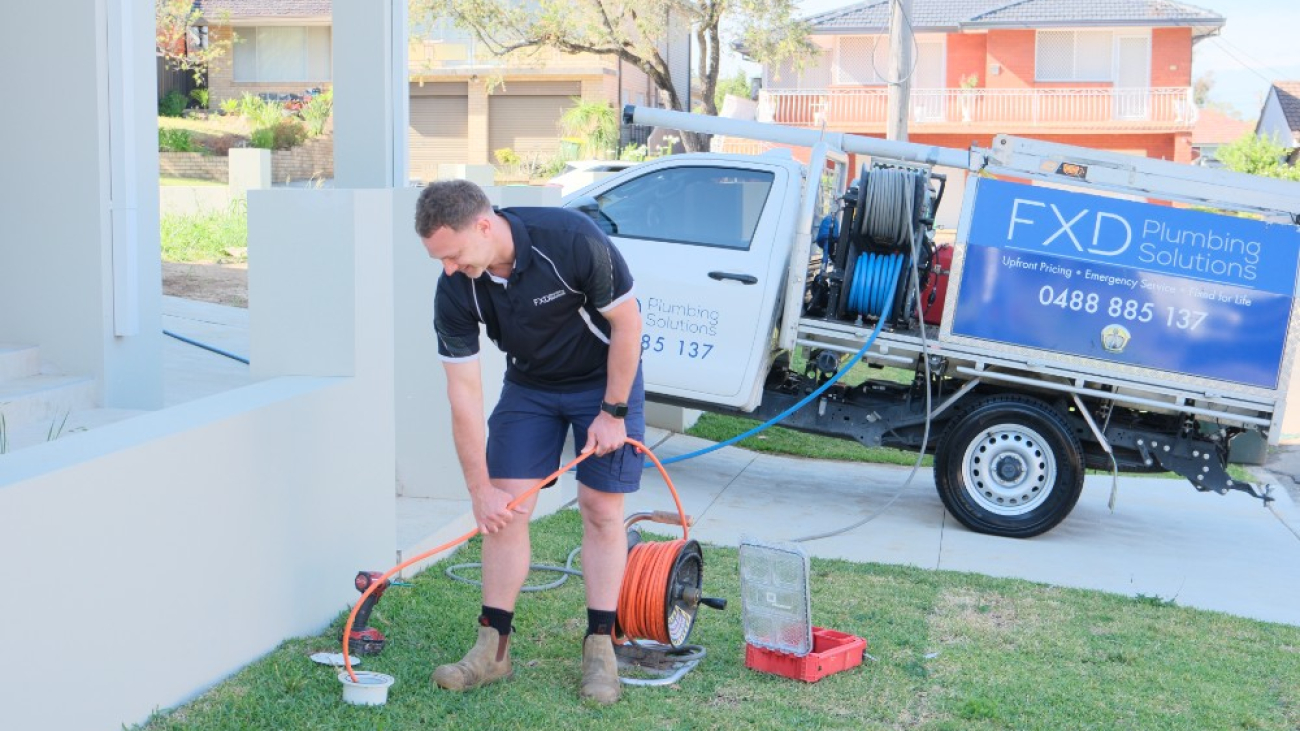
Stubborn stormwater blockages are not a do-it-yourself with a garden hose type of job. Sometimes these jobs can require specialist equipment, e.g. high pressure water jetter, CCTV camera inspection and/or locating equipment. At FXD Plumbing Solutions, we carry all of that equipment on our specially equipped Utes to make our life easier and to get the job done quicker for our happy clients. You can be sure you’re receiving the best service and the latest technology when asking us to help you with your stormwater issues or any other related plumbing problems.

Storm Preparation – FXD Plumbing Solutions – Our Blog

Storm Preparation

Damaging winds, flash floods, lighting, hail and tornados can cause extreme damage to homes, cars and the environment. Sometimes, these storms can even cause injury or loss of life. Storm preparation can help you stay safe and reduce damage potential.

Most storm damage to homes happen due to the following:

  • Loose and broken roof materials
  • Fallen trees and branches
  • Flooding from blocked gutters and downpipes

What is a Storm?

Before learning how to prepare for a storm, you first need to know what exactly defines a storm. Storms develop when humid, warm air near the ground is pushed rapidly upward into the unstable atmosphere.

How to Prepare

Overall, preparing is your responsibility. Living in a storm prone area makes safety preparation a priority.

Inside and outside of your house, there are a few simple storm preparation steps to help minimise damage:

  • Check roof and gutters for damage or loose materials.
  • Clear gutters and downpipes of leaves and blockages.
  • Trim branches near your home and hire a contractor to clear trees from powerlines.
  • Prepare an emergency kit with portable radios, torches, spare batteries, a first aid kit and family emergency plan.
  • Prepare an emergency relocation plan in case your home becomes flooded. Consider options for pets, gather water and know how to turn off the gas and electricity.
  • Display a list of emergency phone numbers.
  • Check you have adequate home and contents insurance.

When a Storm is Forecast

  • Secure or remove loose material and rubbish from around your home because strong winds can turn objects into potentially deadly missiles.
  • Weigh down loose objects using plastic bags filled with sand, rather than bricks that could be blown around during strong winds.
  • Ensure your emergency kit and plan is up to date.
  • Ensure pets and animals are in a safe area.
  • Move your vehicles under protected cover.
  • Boat owners should ensure their boats are securely moored.
  • Campers should find alternative shelter.
  • If you are away from home, contact family and friends to ensure your home is secure.

During a Storm

  • Close your curtains and stay away form windows.
  • If caught outside, seek shelter away from trees, powerlines, metal objects, storm water drains, rivers and streams.
  • Where there is lightning, unplug electrical appliances and do not use landline telephones.
  • Create your own sandbags by using plastic bags or pillowcases filled with sand if there is flooding.
  • When driving in heavy rain, take extra care on the roads.

After the Storm

  • Assess your home and property for damage.
  • Check on friends and neighbours to see if they need help.
  • Keep children away from fallen powerlines as they are dangerous and should always be treated as live.
  • Be careful of fallen trees and damaged buildings.
  • If roads are flooded, do not drive into water of unknown depth and current.
  • Avoid gravel roads as surfaces will be slippery and muddy, and vehicles could become bogged.

Cleaning Up

  • Start cleaning up around your home. Stack loose materials such as branches and debris away from water meters valves and telephone lines.
  • Call your local government to get advice about the removal of green waste and other materials such as asbestos fencing.