
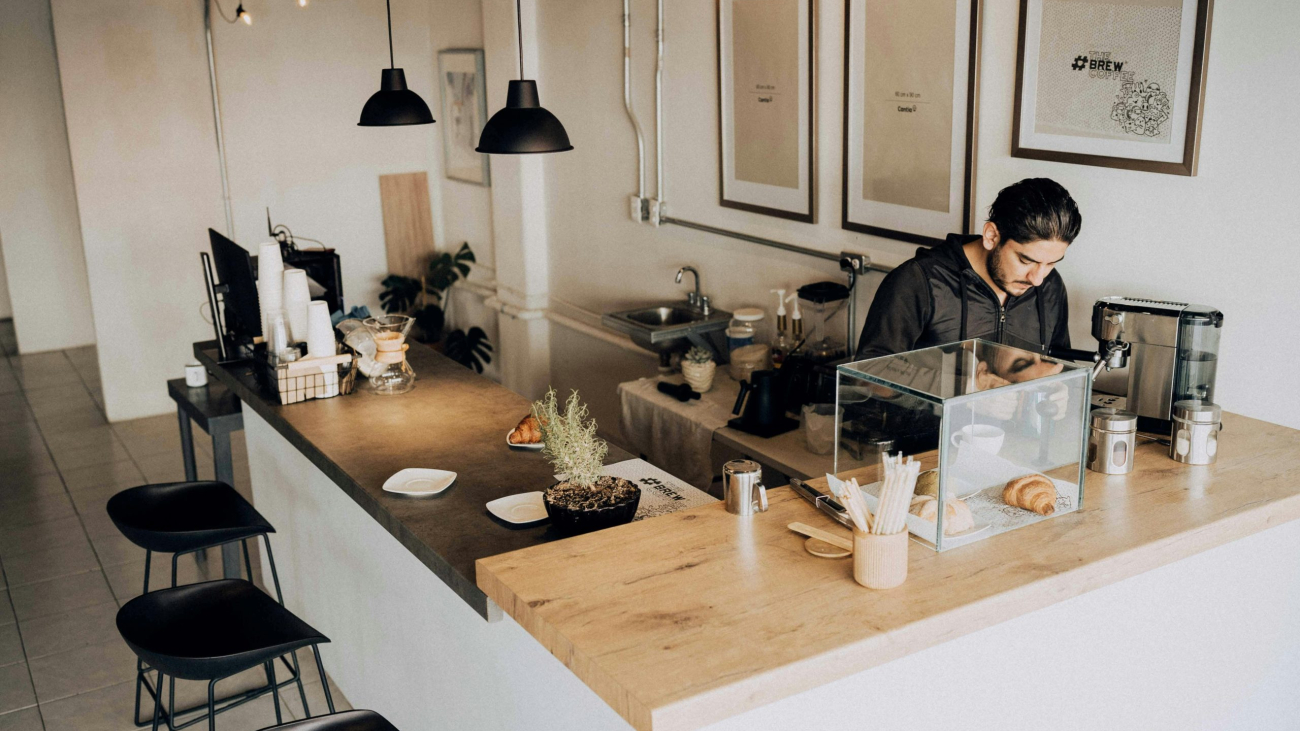
Running a café, bar, or small venue in Sydney involves managing high water usage, grease buildup, and constant customer demand. Even a minor plumbing issue can disrupt service, affect compliance, and lead to lost revenue.
A structured restaurant plumbing plan helps prevent unexpected failures and ensures your venue remains operational during peak periods. This guide outlines key risks, maintenance schedules, and how to work with a reliable commercial plumber in the Inner West or surrounding areas.
Why a Single Blocked Drain Can Shut Your Venue
In hospitality environments, plumbing systems operate under continuous load. A blocked drain can quickly escalate into a major issue, affecting sinks, dishwashers, and food preparation areas.
For many venues, this results in service delays or temporary closure. Having access to an emergency plumber for business in Sydney is essential to minimise downtime and maintain compliance.
For urgent support, see 24-hour emergency plumbing services.
Common Plumbing Risks in Cafés, Bars and Takeaways
Hospitality venues face specific plumbing risks that differ from residential properties. These include grease accumulation, high-volume wastewater, and constant equipment use.
Common issues include:
- Grease buildup in pipes and traps
- Blocked sinks and floor drains
- Coffee machine discharge problems
- Dishwasher line blockages
- High-pressure system wear
Routine cafe plumbing maintenance reduces the likelihood of these problems disrupting operations.
Monthly, Quarterly and Annual Checks to Schedule
A proactive maintenance schedule helps identify issues before they become critical. A typical plan includes:
Monthly:
- Inspect sinks, drains, and visible pipework
- Check for slow drainage or odours
Quarterly:
- Clean grease traps and inspect drainage flow
- Test equipment connections
Annually:
- Full system inspection by a licensed plumber
- Preventative drain cleaning and servicing
General servicing can be arranged through general plumbing services.
Grease Traps, Coffee Machines and Dishwasher Lines
Grease traps play a critical role in preventing blockages, but they require regular cleaning and monitoring. Coffee machines and dishwashers also contribute to buildup due to fine waste particles and high usage.
Failure to maintain these systems can lead to recurring drainage issues and compliance risks.
For regulatory guidance, refer to the NSW Food Authority and workplace safety standards at SafeWork NSW.
What to Include in a Maintenance Agreement With Your Plumber
A clear maintenance agreement ensures consistent service and accountability. Key inclusions should be:
- Scheduled inspections and servicing
- Priority response for emergencies
- Fixed or predictable pricing structure
- Documentation and reporting
- Clear scope of covered services
Business planning resources are also available at business.gov.au
Example Emergency Plan for Weekend Service Failures
Plumbing failures often occur during peak trading hours, including weekends. Having a response plan reduces downtime and stress.
A basic plan should include:
- Immediate isolation of affected areas
- Contact details for an emergency plumber
- Clear staff instructions for handling the issue
- Temporary workarounds where possible
Access to a reliable emergency plumber for business in Sydney ensures faster resolution and reduced disruption.
How FXD Works With Hospitality Venues
FXD supports cafés, bars, and small venues across Sydney with structured maintenance plans and responsive service. This includes scheduled inspections, fixed pricing, and priority emergency support.
Service coverage extends across multiple regions, including St George plumbing services and North Shore plumbing services.
Build a Reliable Plumbing Plan for Your Venue
Preventive maintenance is more cost-effective than emergency repairs and helps ensure uninterrupted service.
If you operate a café or small venue, having a structured plumbing plan in place reduces risk and improves operational reliability.
Book a site walkthrough to design a plumbing maintenance plan for your venue.