

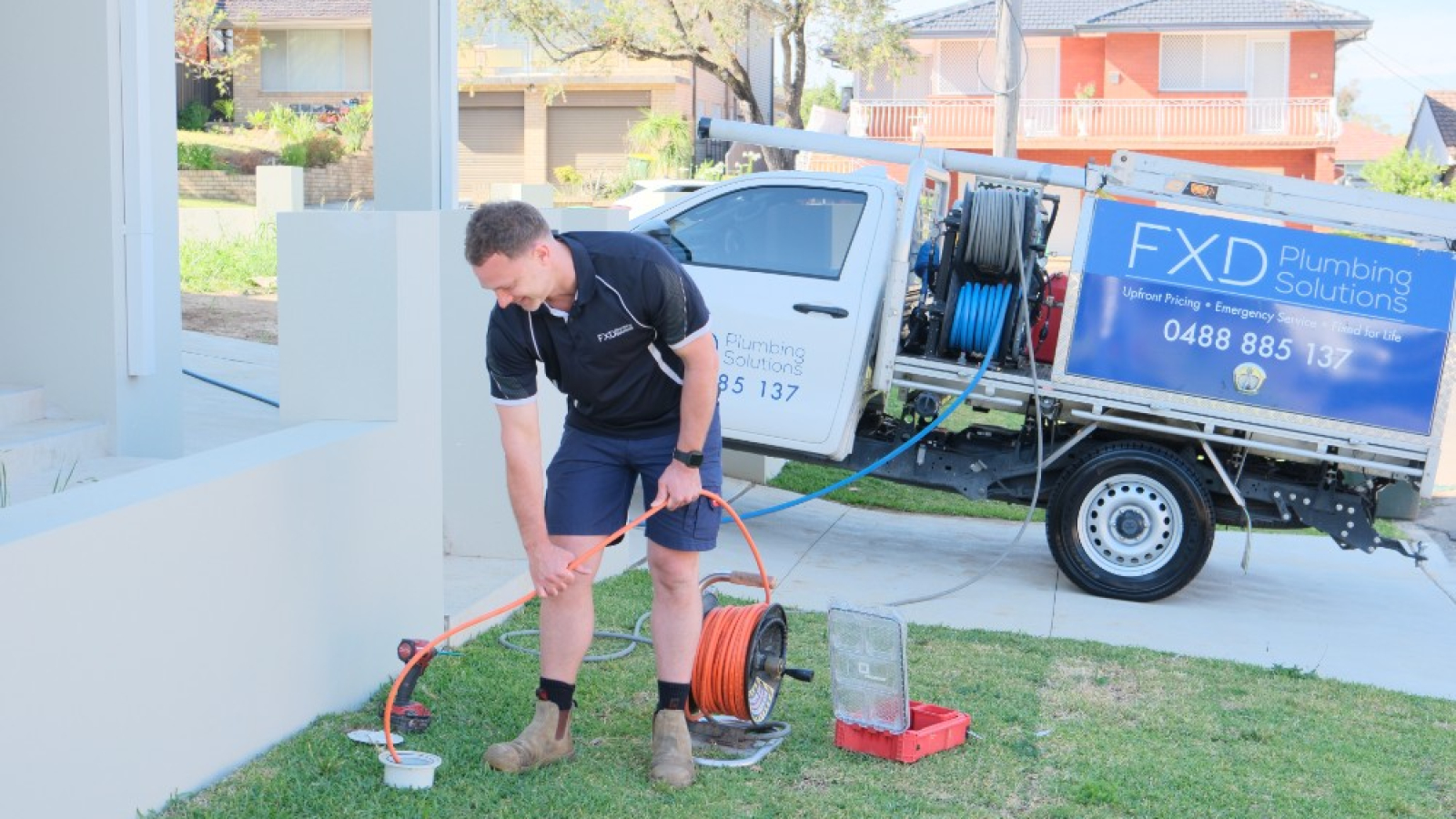
Blocked drains are one of those household problems that can start with a small warning and quickly become a major inconvenience. A sink that empties slowly, a toilet that gurgles or water that starts backing up can all be signs that drainage needs attention. In Marrickville and Newtown, the age, layout and surrounding environment of local properties can all influence how drainage behaves.
The important thing is not to panic or assume the worst. The better approach is to understand the likely cause, deal with the immediate problem safely and investigate recurring issues when they do not stay fixed. This guide looks at the common reasons for blocked drains in Sydney with a focus on Marrickville and Newtown, and explains when a CCTV inspection or more intensive cleaning may be useful.
Key takeaways:
- Recurring blockages can point to an underlying issue rather than a one-off obstruction.
- Tree roots can enter damaged wastewater pipes and contribute to repeated restrictions.
- Grease, fats and food waste can build up inside pipes and reduce flow.
- Stormwater and wastewater are different systems, so it is important to understand which drain is affected.
- A CCTV drain inspection can help when the cause of a recurring blockage is unclear.
Older Drainage in Inner West Homes
Many homes in the Inner West have been standing for decades, and drainage systems can reflect the history of the property. Renovations, extensions, mature gardens and changes in how a home is used can all place different demands on existing pipework. That does not mean an older property will automatically have a drainage problem, but it does mean recurring symptoms are worth paying attention to.
When a blockage keeps returning, the key question is whether the problem is simply material collecting inside the pipe or whether there is something about the pipe itself that makes blockages more likely. This is where a broader investigation can be helpful. FXD supports homeowners with blocked drain clearing and can advise when further inspection may be appropriate.
Why a Recurring Blockage Tells You Something
One isolated blockage can happen for many ordinary reasons. A recurring blockage is different because the pattern itself becomes useful information. If the same fixture backs up repeatedly, the same section of a property keeps causing trouble or the drain slows down soon after it has been cleared, there may be a continuing source of restriction.
Sydney Water advises residents not to ignore signs such as slow sinks, baths or toilets, poor flushing and gurgling noises. These symptoms are useful prompts to act before a drainage issue becomes more disruptive.
Read Sydney Water’s wastewater blockage guidance for more information on warning signs, causes and responsibilities.
Tree Roots and Clay Pipes
Tree roots are a common concern around underground wastewater pipes because roots naturally seek moisture and nutrients. If a pipe has a small crack or opening, roots may enter and continue to grow inside it. Over time, the roots can take up space and catch other material, which increases the chance of a blockage. Sydney Water specifically identifies tree roots as a cause of wastewater blockages.
In older suburbs, mature trees and established gardens can make root-related drainage problems especially frustrating because the visible symptoms may appear inside the house while the actual restriction is underground. A drain may clear for a period and then become blocked again as roots continue to interfere with flow.
How Tree Root Problems Usually Become Recurring
Imagine a small crack in an underground pipe beneath a garden. The crack may be too small to cause an immediate problem, but roots can grow towards the moisture and gradually enter the opening. Once inside, the root material creates places where grease, paper and other debris can catch. The result can be a blockage that returns after the initial clearing.
Our Blocked Drains Marrickville service and Blocked Drains Newtown service provide more local information for homeowners dealing with recurring drainage problems in these suburbs. Where the cause is still unclear, a CCTV inspection can help show what is happening inside accessible pipework.
Grease from Kitchens and Cafes
Kitchen drainage can be affected by fats, oils, grease and food waste. These materials can stick to pipe surfaces, combine with other debris and gradually narrow the available flow. In a home, the problem may start with small amounts over time. In a cafe or food business, the volume and frequency can be much higher, so drainage maintenance can become an important operational concern.
Sydney Water advises against pouring fats, oils and grease down the drain because they can cool and harden in wastewater pipes. It also recommends using strainers to prevent food waste entering the pipes and disposing of cooking oils appropriately.
See Sydney Water’s advice on fats, oils and grease for practical prevention guidance.
Why Prevention Matters as Much as Clearing
Jet blasting or other professional drain cleaning can remove suitable build-up from a pipe, but prevention still matters. If the same grease and food waste keep entering the system, the drain can gradually become restricted again. Small changes in what goes down the sink can therefore support the plumbing work rather than relying on clearing alone.
For heavy or recurring restrictions, a more thorough approach may be needed. FXD can assess the problem and, where suitable, use high pressure cleaning to restore flow. The important part is matching the method to the condition of the drain rather than treating every blockage the same way.
Sewer vs Stormwater
One of the most useful distinctions to understand is the difference between wastewater and stormwater. Wastewater carries used water away from bathrooms, kitchens and other fixtures. Stormwater is rainwater runoff collected by drains, gutters and other systems around the property. They have different functions, and a problem in one does not automatically mean the other is blocked.
Heavy rain can also place pressure on drainage systems. Inner West Council explains that stormwater management is important across the local area, and its guidance can help residents understand how stormwater behaves around homes and streets.
Read Inner West Council’s stormwater guidance for local information about stormwater and drainage.
Why the Difference Matters During a Blockage
If water is coming from a sink or toilet, the issue is likely associated with wastewater or internal plumbing. If rainwater is pooling around an external drain or flooding is occurring during a heavy downpour, the problem may involve stormwater. The signs and responsibilities can be different, so identifying which system is affected helps determine the right next step.
In some situations, the wider catchment matters too. The Cooks River catchment is part of the local environment, and water moving through the catchment can carry litter and other pollutants. Understanding that wider context reinforces why keeping stormwater and wastewater systems functioning properly matters beyond the immediate property.
Explore current NSW EPA information about the Cooks River and local waterways for broader environmental context.
When CCTV Helps
A CCTV drain camera becomes useful when the reason for a recurring blockage is uncertain, when a blockage returns after clearing or when there is concern about the condition of underground pipework. The purpose is to look inside the drain rather than guess from the symptoms alone.
For homeowners in Marrickville and Newtown, this can be particularly helpful when root intrusion, damaged pipes or persistent build-up are suspected. A camera inspection can help identify visible conditions and give the plumber better information about whether the next step should be cleaning, repair or monitoring.
What a Camera Can Help You Understand
A suitable CCTV inspection can show parts of the internal pipe and may help locate obstructions, root growth, visible cracking or other changes. The exact result depends on access and the condition of the pipe, so it is important to treat the inspection as an assessment rather than a promise that every underground problem will be visible.
You can learn more about CCTV drain inspections through our service information, or read our local Blocked Drains Marrickville and Blocked Drains Newtown pages for suburb-specific drainage support.
Prevention Checklist
Preventing every blocked drain is not realistic, but a few good habits can reduce avoidable problems and give you a better chance of spotting trouble early. The most useful habits focus on what enters the pipe, how the drainage behaves and what you do when the first warning signs appear.
Sydney Water recommends paying attention to slow drainage, poor flushing, gurgling and wastewater overflow. Those signs should not be ignored, especially when they occur repeatedly or worsen over time.
In the Kitchen
Keep food scraps out of the sink and use a strainer where appropriate. Do not pour fats, oils and grease down the drain. Let cooking oils cool and dispose of them in a suitable container rather than sending them into the pipe.
These simple habits reduce the amount of material that can settle inside the drainage system. For homes with persistent kitchen drainage issues, professional cleaning can help address existing build-up while prevention helps reduce the chance of a quick return.
Around the Bathroom
Pay attention to slow sinks, showers and toilets. Avoid flushing items that should go in the bin and take recurring gurgling or poor drainage seriously. A blockage that keeps returning is a useful reason to investigate rather than simply resetting the same symptom.
If bathroom drainage becomes an ongoing issue, FXD can assess the problem through our Sydney blocked drain service and help determine whether routine clearing or further investigation is appropriate.
Outside the Home
Keep an eye on external drains, gullies and areas where rainwater tends to collect. Make sure obvious leaves and debris are not accumulating around surface drains, and note whether a problem happens only during heavy rain or continues during normal weather.
For recurring drainage problems, local context matters. Our Sydney Inner West plumbing team can help with broader plumbing issues, while suburb-specific drainage pages are available for Marrickville and Newtown.
When to Get Professional Help
Call a plumber when a drain is repeatedly blocked, wastewater is backing up, the problem is affecting more than one fixture, or the cause is unclear. Professional assessment is also appropriate when you suspect tree roots, damaged pipework or a deeper underground restriction.
The benefit is not simply having someone clear the drain. It is understanding what happened and what can be done to reduce the chance of the same disruption happening again.
Ready to Get Your Drain Flowing Again?
Marrickville and Newtown homes can have very different drainage layouts, but the warning signs are familiar: slow flow, gurgling, repeated blockages and water backing up where it should not. The best response depends on the cause, which is why a recurring problem is worth investigating rather than treating as a one-off inconvenience.
FXD Plumbing can help with blocked drain clearing, CCTV inspection and targeted drainage work, with clear explanations and fixed pricing before work begins. Our approach is simple: understand the problem, explain what we can do and leave you with a practical next step.
Contact us to discuss a blocked drain in Marrickville, Newtown or the wider Inner West and arrange the right assessment for your property.